

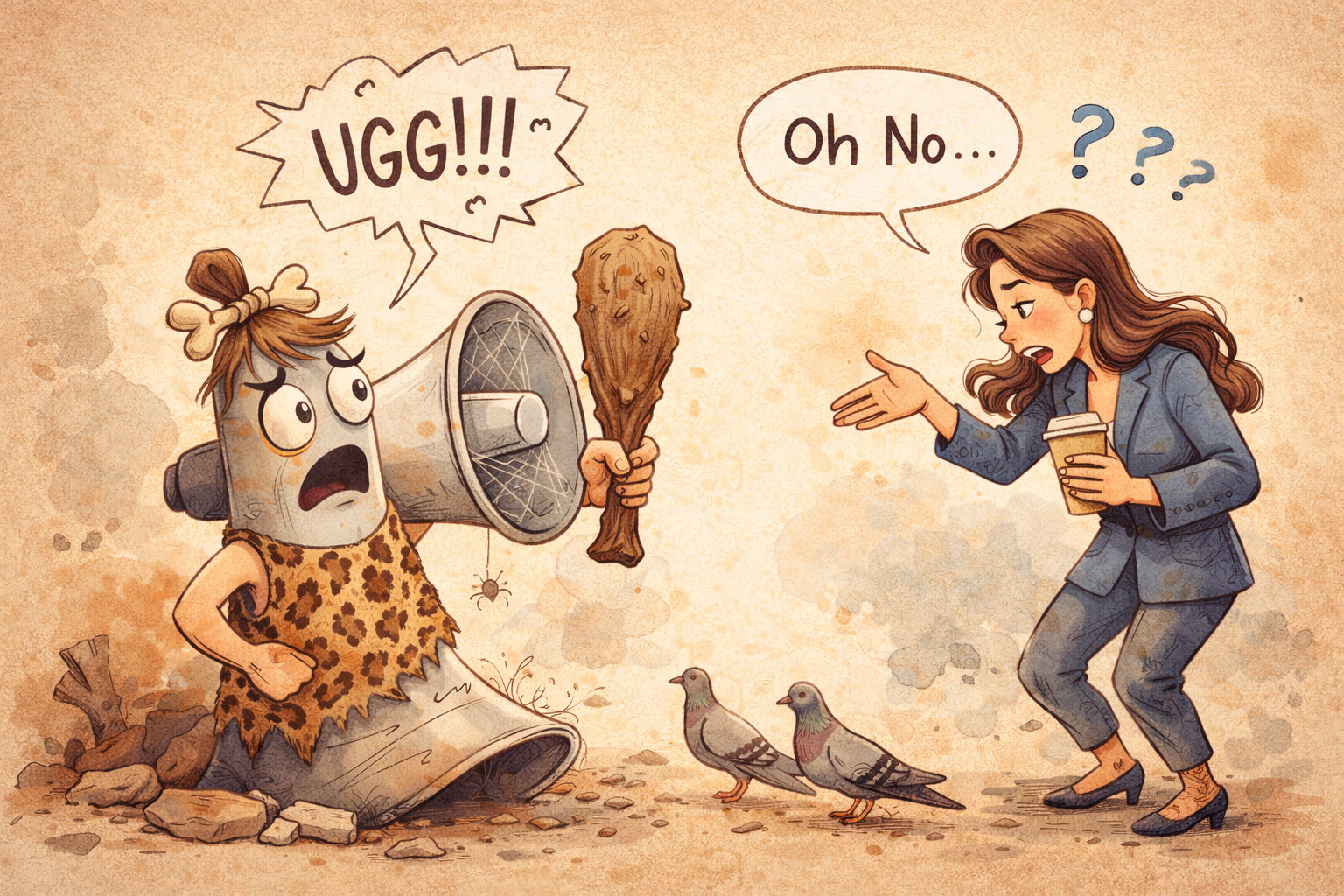
Businesses evolve. Services expand. Expertise improves. Markets shift.
But many websites do not keep up.
If your messaging no longer reflects who you are today, your website may be quietly holding your business back. In 2026, clarity and positioning matter more than ever. When your messaging is outdated or misaligned, it creates confusion, weakens trust, and reduces enquiries.
Here is why this happens and what it means for your growth.
1. Your Business Has Grown, But Your Website Has Not
Over time, most businesses:
- Refine their services
- Improve their processes
- Target better clients
- Increase pricing
- Develop stronger results
Yet their website still communicates who they were three or five years ago.
If your messaging feels generic, broad, or entry level compared to your actual expertise, you may be attracting the wrong audience or undervaluing your work.
Your website should represent your current level, not your starting point.
2. Your Ideal Client Has Changed
As businesses grow, their ideal customer often changes too.
You might now focus on:
- Larger projects
- Higher budgets
- Specific industries
- Long term partnerships
If your website still speaks to everyone, it ends up resonating with no one.
In 2026, strong positioning wins. Clear messaging that speaks directly to your ideal client increases engagement and filters out poor fit enquiries.
3. Your Services Have Evolved
Perhaps you:
- Added new services
- Stopped offering certain solutions
- Changed your approach
- Specialised in a niche
If your website still promotes outdated offerings, it creates confusion.
Visitors may contact you for services you no longer provide. Or worse, they may never discover your new core expertise because it is not clearly highlighted.
Accurate messaging ensures the right opportunities come through.
4. Your Value Proposition Is Unclear
Many older websites focus on describing services rather than explaining outcomes.
For example:
- Website Design
- Digital Marketing
- Consulting
In 2026, that is not enough.
Modern messaging focuses on transformation and results:
- Websites That Generate More Enquiries
- SEO That Drives Consistent Leads
- Marketing That Increases Revenue
If your messaging is feature based rather than outcome driven, it may not connect emotionally with visitors.
People respond to results, not labels.
5. Your Tone No Longer Matches Your Brand
Brand tone matters.
If your business has become more premium, strategic, or specialised, but your website still sounds casual or generic, there is a disconnect.
Similarly, if your business is friendly and community focused but your website sounds overly corporate, it can feel inauthentic.
Consistency between brand identity and messaging builds trust. When tone aligns with experience, credibility increases.
6. You Are Attracting the Wrong Enquiries
One of the clearest signs that your messaging is misaligned is the type of enquiries you receive.
If you are constantly:
- Quoting small projects when you want larger ones
- Attracting budget focused leads
- Explaining what you do in detail on every call
Your website may not be filtering effectively.
Strong messaging attracts the right clients and repels the wrong ones. That clarity saves time and increases profitability.
7. Your Competitors Communicate More Clearly
Markets become more competitive every year.
If your competitors:
- Explain their services more clearly
- Communicate stronger outcomes
- Position themselves more confidently
They may win trust before you even have a conversation.
Clear messaging creates perceived authority. If your website lacks that clarity, it can make your business appear less established than it actually is.
What Updated Messaging Should Do
Effective messaging in 2026 should:
- Clearly state who you help
- Explain the problem you solve
- Communicate measurable outcomes
- Reflect your current expertise
- Speak directly to your ideal client
It should remove ambiguity and create confidence.
Final Thoughts
Your website is not just an online brochure. It is a positioning tool.
If your messaging no longer reflects your business, it can quietly limit growth by attracting the wrong audience, lowering perceived value, and reducing conversions.
Refreshing your messaging does not always require a full redesign. Often, refining headlines, clarifying positioning, and shifting to outcome focused language can significantly improve results.
As your business evolves, your website should evolve with it.
If it does not represent who you are today, it is time to bring it up to speed.